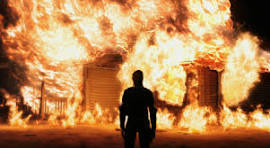
A rapidly developing wildfire known as the Elk Fire is drawing significant attention across Colorado as firefighters work tirelessly to contain the blaze amid dry vegetation, high temperatures, and challenging weather conditions. The fire has prompted evacuation orders, raised concerns among residents living near the affected areas, and mobilized a large-scale emergency response as authorities work to protect lives, property, and natural resources.
Emergency officials continue to monitor the situation closely, deploying ground crews, aerial firefighting aircraft, heavy equipment, and additional emergency resources to slow the fire’s advance and prevent it from spreading into more communities. Firefighters are working around the clock under demanding conditions, utilizing every available resource to establish containment lines and reduce the wildfire’s impact.
The Elk Fire is burning in an area of Colorado characterized by rugged terrain, dense vegetation, and dry fuels, all of which present significant challenges for suppression efforts. Steep hillsides and difficult access routes have complicated firefighting operations, while shifting weather conditions continue to influence the fire’s behavior. Emergency management agencies are providing regular updates regarding the wildfire’s progression, evacuation zones, road closures, and containment efforts, urging residents to remain informed through official sources.
Wildfires in Colorado can spread rapidly due to a combination of dry brush, strong and unpredictable winds, prolonged periods of low humidity, elevated temperatures, and highly combustible vegetation. These conditions allow flames to move quickly across the landscape, increasing the threat to homes, businesses, wildlife habitat, and critical infrastructure. Fire crews are responding by constructing fire lines, conducting aerial water and fire retardant drops, removing hazardous fuels ahead of the fire, and protecting structures that may be threatened as conditions evolve.
As the situation develops, authorities have issued evacuation orders and warnings for residents in areas considered to be at risk. Emergency officials continue to emphasize that evacuation notices are issued to protect public safety and should be followed immediately. Residents are encouraged to prepare emergency kits containing essential supplies, medications, identification documents, and other necessities while remaining ready to leave at short notice if conditions worsen. Local agencies are also monitoring the need for emergency shelters and support services for displaced residents.
Smoke generated by the Elk Fire may significantly affect air quality across surrounding communities. Health officials advise individuals with asthma, chronic respiratory illnesses, heart conditions, older adults, and young children to limit outdoor activities whenever smoke concentrations become elevated. Poor visibility and hazardous air conditions can also create additional challenges for motorists traveling near the fire area.
Transportation disruptions remain possible as emergency responders continue firefighting operations. Temporary road closures, traffic restrictions, and limited access to certain areas may be necessary to ensure the safety of firefighters and provide emergency vehicles with unrestricted access to the incident. Motorists are urged to avoid affected areas whenever possible and follow directions issued by law enforcement and transportation officials.
Colorado continues to experience increasingly challenging wildfire seasons as prolonged dry conditions, warmer temperatures, and changing environmental factors contribute to elevated fire danger throughout much of the state. Fire officials regularly encourage residents to maintain defensible space around homes, prepare emergency evacuation plans, and stay informed during periods of heightened wildfire activity.
Authorities continue to provide updated information regarding the Elk Fire’s size, containment progress, evacuation orders, weather conditions, road closures, and firefighting resources assigned to the incident. Residents are encouraged to rely on verified information released by emergency management agencies and local officials while avoiding rumors or unconfirmed reports circulating online. As firefighting efforts continue, protecting lives, safeguarding communities, and minimizing damage remain the highest priorities for emergency responders working tirelessly to contain the Elk Fire.